

 English
 Español
 عربى
عربى

In modern workplaces, cleanliness is no longer just about aesthetics—it directly affects employee health, safety, and productivity. Dust, allergens, bacteria, and slippery residues accumulate rapidly on floors, especially in high-traffic areas such as warehouses, hospitals, retail stores, and manufacturing plants. Traditional mopping and sweeping often leave behind moisture, dirt, and pathogens. This is where a commercial floor scrubber becomes an indispensable tool. By combining scrubbing, washing, and drying in one efficient process, these machines transform routine floor maintenance into a proactive health strategy.
The Hidden Health Risks of Poor Floor Hygiene
Before exploring how a commercial floor scrubber works, it is important to understand what happens when floors are not properly cleaned. Everyday foot traffic brings in soil, pollen, and microbial contaminants from outdoors. Spilled liquids, food debris, and airborne dust settle onto flooring surfaces. Over time, these accumulate into a biofilm that harbors mold, bacteria, and viruses. When floors are cleaned with mops and buckets, the dirty water is often spread around rather than removed. Mops can also become breeding grounds for pathogens if not sanitized frequently.
Poor floor hygiene contributes to several health issues:
- Respiratory problems from dust mites and mold spores.
- Skin infections from contact with contaminated surfaces.
- Slip-and-fall injuries caused by wet or greasy floors.
- Gastrointestinal illnesses from cross-contamination.
These risks are particularly severe in healthcare facilities, food processing plants, schools, and offices where people spend long hours. A commercial floor scrubber addresses each of these problems systematically.
How a Commercial Floor Scrubber Improves Indoor Air Quality
One of the most overlooked benefits of a commercial floor scrubber is its positive impact on indoor air quality (IAQ). Traditional sweeping or dry mopping stirs dust particles into the air, where they can be inhaled and trigger allergies or asthma. In contrast, a commercial floor scrubber uses rotating brushes and a vacuum system to capture dust and debris directly into a recovery tank. The scrubbing action emulsifies dirt, while the built-in squeegee dries the floor instantly, leaving no residue that could later become airborne.
Studies have shown that fine particulate matter (PM2.5 and PM10) can be reduced by up to 85% when switching from dry sweeping to wet scrubbing with a commercial floor scrubber. This is critical for environments like cleanrooms, laboratories, and electronics assembly lines, where airborne particles can damage products or harm sensitive individuals.
Moreover, modern floor scrubber dryer suppliers offer machines equipped with HEPA filtration systems. These advanced units capture 99.97% of particles as small as 0.3 microns, including pollen, bacteria, and dust mite allergens. By containing contaminants within the machine rather than redistributing them, a commercial floor scrubber actively improves breathing conditions for everyone in the workspace.
Reducing Slip and Fall Accidents Through Rapid Drying
Wet floors are a leading cause of workplace injuries. According to occupational safety data, slips, trips, and falls account for a significant percentage of lost workdays. Traditional mopping leaves floors wet for extended periods, sometimes hours, especially in humid or poorly ventilated areas. This creates hazards for employees, customers, and visitors.
A commercial floor scrubber solves this problem by extracting nearly all the water it applies. The squeegee system follows immediately behind the brushes, vacuuming up dirty solution and leaving the floor damp-dry within seconds. Many models allow operators to adjust water flow and drying settings. In large facilities such as grocery stores or convention centers, a ride-on commercial floor scrubber can clean and dry thousands of square feet per hour, allowing foot traffic to resume almost immediately.
The health implication here is twofold: fewer injuries mean fewer medical treatments and less risk of complications from fractures or head trauma. Additionally, dry floors discourage the growth of mold and mildew, which thrive in persistently damp environments. By maintaining consistently dry surfaces, a commercial floor scrubber creates a safer and healthier workplace.
Suppressing Pathogens and Preventing Cross-Contamination
Floors are often the most contaminated surfaces in any building. A study of hospital floors found that pathogens such as Clostridium difficile, MRSA, and norovirus can survive for weeks on flooring materials. When people walk on these floors, they pick up pathogens on their shoes, which then spread to other areas via mats, carpets, and even elevator buttons. Traditional mopping may spread these pathogens further rather than eliminating them.
A commercial floor scrubber, when used with appropriate disinfectants, provides a mechanical and chemical method for pathogen removal. The scrubbing action physically dislodges biofilms and organic matter that harbor germs. The vacuum extraction removes contaminated water, preventing it from being redistributed. Some advanced units offer onboard chemical dispensing systems that automatically mix cleaning agents at precise dilutions, ensuring effective kill times without hazardous residues.
For facilities that require high levels of hygiene—such as daycare centers, nursing homes, and veterinary clinics—a commercial floor scrubber is far superior to manual methods. It reduces cross-contamination risks by eliminating the need for mop buckets, wringers, and reusable cloths, which are often difficult to clean thoroughly. When sourced from reliable floor scrubber dryer suppliers, these machines can be equipped with antimicrobial squeegee blades and brush heads that further inhibit bacterial growth.
The Role of Automated and Robotic Scrubbers in Consistent Hygiene
Human error is a major factor in cleaning inconsistency. A tired or rushed worker might miss spots, use too little cleaning solution, or fail to change dirty water frequently. Automated and robotic commercial floor scrubber models address this by performing programmed cleaning routes with consistent pressure, speed, and chemical application. They can be scheduled to clean during off-hours, ensuring that floors are sanitized before employees arrive.
Robotic scrubbers use sensors to navigate around obstacles, avoid stairs, and return to charging stations automatically. They record cleaning data, allowing facility managers to verify that every area has been covered. For health-critical environments like operating rooms or cleanrooms, this level of documentation is invaluable. It provides proof of compliance with sanitation protocols.
Furthermore, robotic floor scrubbers reduce physical strain on cleaning staff. Musculoskeletal injuries from pushing heavy equipment or wringing mops are common in janitorial work. By automating the scrubbing process, employers protect their workers’ health while achieving superior floor hygiene.
Comparative Analysis: Commercial Floor Scrubber vs. Traditional Methods
To appreciate the health benefits of a commercial floor scrubber, it helps to compare it directly with traditional mopping and sweeping. The table below summarizes key differences:
| Aspect | Traditional Mop & Bucket | Commercial Floor Scrubber |
|---|---|---|
| Water removal | None – floor left wet | Vacuum extraction – floor dry in seconds |
| Pathogen spread | Can redistribute germs | Removes contaminated water |
| Dust control | Sweeping stirs dust | Captures dust in recovery tank |
| Chemical usage | Often excessive or inconsistent | Precise dilution reduces residue |
| Labor effort | High – requires multiple steps | Low – scrubs, washes, dries in one pass |
| Drying time | 30 minutes to several hours | 1–2 minutes |
| Slip hazard | High for extended period | Very low immediately after cleaning |
| Consistency | Operator-dependent | Highly consistent with machine settings |
As the table shows, a commercial floor scrubber outperforms manual methods in every health-related metric. The reduction in moisture alone significantly lowers the risk of mold growth and slip accidents.
Enhancing Employee Morale and Productivity Through Cleanliness
Psychological well-being is also a component of a healthy work environment. Employees who work in visibly clean, odor-free spaces report higher job satisfaction, lower stress, and fewer sick days. A commercial floor scrubber removes embedded grime, stains, and residues that can make a workplace feel neglected. It also eliminates sour smells caused by bacteria in dirty mop water or trapped in floor cracks.
In food service areas, a clean floor prevents pests such as cockroaches and rodents, which carry diseases and create anxiety among staff. In retail environments, customers perceive cleaner stores as safer and more professional, which reduces conflict and stress for employees. By investing in a commercial floor scrubber, employers send a clear message that they value health and safety, which boosts morale and retention.
Sustainability and Health: Eco-Friendly Cleaning with Floor Scrubbers
Environmental health is closely linked to human health. Many traditional cleaning methods use excessive amounts of water and harsh chemicals, which can leave toxic residues on floors. These residues may be tracked into offices or break rooms, where they come into contact with skin or food. Over time, volatile organic compounds (VOCs) from strong cleaners can cause headaches, nausea, and respiratory irritation.
A commercial floor scrubber uses significantly less water—often 70% to 90% less than mopping—because it recycles and filters cleaning solution. Many floor scrubber dryer suppliers now offer models with ecologically certified brush systems that require minimal or no detergents. Some units use electrolyzed water (activated water) as a cleaning agent, which breaks down dirt and kills bacteria without any chemical additives. This reduces both environmental impact and chemical exposure for employees.
Additionally, the reduced water consumption means less wastewater going into municipal systems, and lower energy use for water heating. For companies aiming for LEED certification or corporate sustainability goals, a commercial floor scrubber is a tangible step toward healthier, greener operations.
Selecting the Right Equipment from Floor Scrubber Dryer Suppliers
To realize the health benefits described above, it is essential to choose the right commercial floor scrubber for your specific environment. Factors to consider include floor type (concrete, tile, epoxy, etc.), facility size, traffic volume, and hygiene requirements. Reputable floor scrubber dryer suppliers offer various configurations:
- Walk-behind scrubbers: Ideal for narrow aisles, small stores, and restrooms.
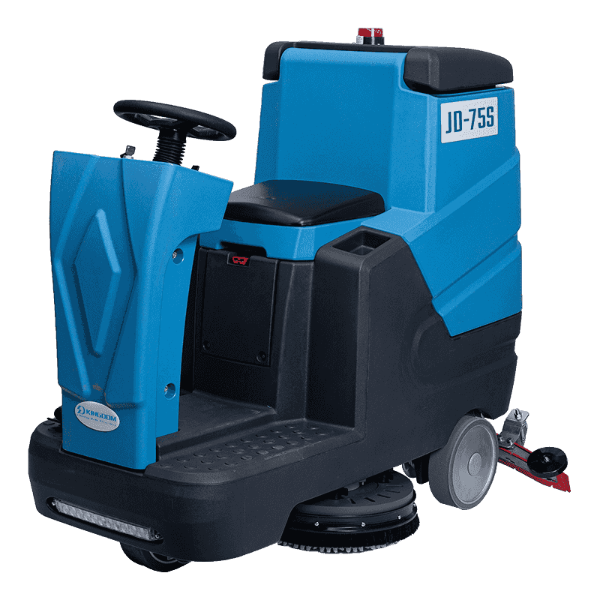
- Ride-on scrubbers: Best for warehouses, factories, and large retail spaces.
- Robotic scrubbers: Suitable for offices, hospitals, and schools where nighttime cleaning is preferred.
- Stand-on scrubbers: A compact compromise offering good visibility and maneuverability.
When evaluating suppliers, ask about the availability of HEPA filters, antimicrobial squeegees, and chemical dosing systems. Also consider service contracts and training, because proper operation directly affects health outcomes. A poorly maintained scrubber can leak dirty water or leave streaks, negating its benefits.
Implementing a Floor Cleaning Protocol for Maximum Health Impact
Owning a commercial floor scrubber is only half the solution. Facilities must establish clear protocols to maximize health protection. Recommended practices include:
Daily scrubbing of high-touch areas like entrances, hallways, and cafeterias.
Pre-sweeping to remove large debris before scrubbing (though many scrubbers have built-in sweeping functions).
Using EPA-registered disinfectants in healthcare and food handling zones.
Changing solution daily and sanitizing recovery tanks to prevent biofilm growth.
Training operators on proper speed, brush pressure, and overlapping passes.
Scheduling scrubbing during low-occupancy hours to minimize exposure to cleaning agents and noise.
When these protocols are followed consistently, a commercial floor scrubber becomes a powerful tool for infection prevention and occupational health.
Conclusion: A Strategic Investment in Workplace Wellness
The question “How does a commercial floor scrubber contribute to healthier work environments?” has multiple answers. It improves air quality by capturing dust instead of spreading it. It prevents slip injuries through rapid drying. It suppresses pathogens by removing contaminated water. It reduces chemical exposure with precise dosing and eco-friendly options. It even boosts mental well-being by creating visibly clean spaces.
While the initial purchase price may be higher than a mop and bucket, the long-term return on investment includes fewer sick days, lower accident rates, reduced cleaning labor costs, and enhanced corporate image. For any organization that values its people, switching to a commercial floor scrubber is not just a maintenance upgrade—it is a health strategy. By partnering with knowledgeable floor scrubber dryer suppliers, you can select a model tailored to your risks and operational needs, ensuring that every square foot of flooring contributes to a safer, healthier tomorrow.
Frequently Asked Questions (FAQ)
Q1: How often should a commercial floor scrubber be used in a typical workplace?
A: Frequency depends on foot traffic and industry standards. For offices and retail stores, daily or every other day is common. For hospitals and food processing plants, multiple times per shift may be necessary. Low-traffic warehouses might require scrubbing once or twice a week. The key is to monitor floor appearance and slip-resistance; any visible soil or moisture retention indicates a need for more frequent scrubbing.
Q2: Can a commercial floor scrubber replace traditional mopping entirely?
A: Yes, for most hard floor surfaces, a commercial floor scrubber can completely replace mopping because it combines scrubbing, washing, and drying in one pass. However, for very small areas or tight corners that scrubbers cannot reach, occasional spot mopping may still be needed. Many facilities use a walk-behind scrubber for 95% of their floor area and manual methods only for edges and under fixed equipment.
Q3: What maintenance does a floor scrubber dryer require to remain effective for health protection?
A: Daily maintenance includes emptying and rinsing the recovery tank, cleaning the squeegee blades, and checking brush condition. Weekly tasks include removing built-up debris from filters and inspecting hoses for clogs. Monthly, lubricate moving parts and replace worn squeegees. Floor scrubber dryer suppliers often provide detailed schedules. Neglecting maintenance leads to poor water pickup, leaving floors wetter and less hygienic.
Q4: Are there commercial floor scrubbers suitable for sensitive environments like hospitals or cleanrooms?
A: Absolutely. Many models are designed specifically for healthcare, featuring HEPA filtration, antimicrobial surfaces, and noise levels below 70 dBA. Some use dry vapor or minimal water to avoid creating aerosols. When selecting, ask floor scrubber dryer suppliers about units certified for ISO Class 8 cleanrooms or those meeting CDC guidelines for environmental infection control.
Q5: Do commercial floor scrubbers use a lot of water and chemicals compared to mopping?
A: No—the opposite is true. A commercial floor scrubber typically uses 70% less water than mopping because it recirculates and extracts the solution. Chemical usage is also reduced by precise dilution systems, often cutting consumption by 50% or more. This lower chemical load benefits both employee health and the environment.