


 English
 Español
 عربى
عربى

What Is a Commercial Floor Scrubber?
A commercial floor scrubber is an industrial cleaning machine designed to clean, scrub, and dry large floor areas efficiently. Unlike manual mopping, these machines combine mechanical scrubbing action with cleaning solution to remove dirt, grime, and contaminants from various floor surfaces. They are essential equipment in facilities ranging from warehouses and manufacturing plants to retail stores and healthcare facilities.
Commercial floor scrubbers save time, reduce labor costs, and deliver superior cleaning results compared to traditional cleaning methods. A single operator can clean thousands of square feet in a fraction of the time it would take with manual cleaning tools, making them a worthwhile investment for any facility manager.
How Does a Commercial Floor Scrubber Work?
Commercial floor scrubbers operate using a straightforward yet effective mechanism. The machine features rotating brushes or pads that agitate the floor surface while distributing cleaning solution. Simultaneously, the squeegee system pulls dirty water and cleaning residue into a collection tank, leaving the floor dry and clean.
Key Components and Their Functions
- Brush or pad deck: Rotates at high speed to scrub the floor surface thoroughly
- Solution tank: Holds and dispenses the cleaning solution during operation
- Recovery tank: Collects soiled water and debris for disposal
- Squeegee system: Removes moisture from the floor after scrubbing
- Propulsion system: Moves the machine forward, either manually or automatically
- Control panel: Allows operators to adjust settings like brush speed and solution flow
The combination of these components creates an efficient cleaning system that handles heavy-duty floor maintenance. Most modern commercial scrubbers allow operators to adjust brush pressure, solution concentration, and speed to match specific floor types and soil conditions.
Types of Commercial Floor Scrubbers
Different facility sizes and cleaning requirements call for different scrubber types. Understanding the distinctions helps you select the most suitable equipment for your operation.
Ride-On Floor Scrubbers
Ride-on scrubbers are designed for large facilities where operators need to cover extensive square footage. The operator sits on the machine and controls movement using a steering system similar to a small vehicle. These machines are ideal for warehouses, distribution centers, and large retail spaces with minimal obstacles.
Benefits include reduced operator fatigue, faster cleaning cycles, and the ability to cover 20,000 to 40,000 square feet per shift. The main trade-off is size and maneuverability in tight spaces, making them unsuitable for facilities with many narrow aisles or dense furniture arrangements.
Walk-Behind Floor Scrubbers
Walk-behind models are the most versatile option, balancing cleaning power with maneuverability. The operator guides the machine from behind, controlling speed and direction. These machines work well in medium-sized facilities, small warehouses, and areas with moderate obstacles.
Walk-behind scrubbers typically cover 10,000 to 20,000 square feet per shift and fit through standard doorways, making them suitable for multi-floor facilities and spaces with various layout configurations. They represent the sweet spot for many facility managers seeking reliable performance without excessive space requirements.
Stand-On Floor Scrubbers
Stand-on scrubbers position the operator on a platform at the rear of the machine while their feet rest on a foot plate. This design offers a middle ground between ride-on and walk-behind models. Operators maintain better visibility of their work area while enjoying reduced fatigue compared to walk-behind options.
These machines work particularly well in facilities with moderate cleaning demands and spaces where turning radius and width matter. They provide excellent maneuverability while maintaining the productivity benefits of larger machines.
Robotic Floor Scrubbers
Autonomous robotic scrubbers represent the newest technology in commercial floor cleaning. These self-propelled machines operate with minimal human intervention, navigating facility spaces using programmed routes and sensors. They excel in facilities with consistent layouts and predictable cleaning schedules.
Robotic scrubbers offer significant advantages for large facilities operating multiple shifts, as they can clean during off-hours. However, they work best in open areas without significant obstacles and require programming for facility-specific cleaning patterns.
What Floors Can a Commercial Floor Scrubber Clean?
Commercial floor scrubbers handle various floor surfaces, though effectiveness varies by scrubber type and floor composition. Proper machine selection ensures optimal results without damaging floors.
Sealed Concrete Floors
Sealed concrete is one of the most common industrial flooring materials. Commercial scrubbers excel on these surfaces, removing dirt, oils, and dust efficiently. The slight surface porosity allows for effective cleaning without risk of damage when using appropriate brush hardness and pressure settings.
Tile and Ceramic Floors
Hard tile surfaces withstand vigorous scrubbing, making them ideal for industrial floor scrubber use. Grout lines present the main challenge, as they trap dirt and require focused attention. Machines with adjustable pressure settings and specialised brush attachments handle grouted tiles effectively.
Vinyl and Linoleum Floors
These softer floor materials require gentler treatment to prevent surface damage. Commercial scrubbers can clean vinyl and linoleum successfully using softer pad or brush options and lower pressure settings. Care must be taken to avoid excessive water contact that could seep into seams.
Epoxy-Coated Floors
Epoxy coatings create durable, non-porous surfaces common in pharmaceutical and food processing facilities. Commercial scrubbers clean these floors effectively while maintaining the protective coating integrity. The non-porous nature means water and solution don't penetrate the surface.
Natural Stone Floors
Natural stone requires careful treatment with commercial scrubbers. Softer stones like marble and limestone are vulnerable to acidic cleaners and aggressive scrubbing. Harder stones like granite can tolerate more vigorous cleaning. Always verify compatibility between cleaning solution and stone type before full-scale deployment.
| Floor Type | Scrubber Suitable | Best Brush Type | Pressure Setting |
|---|---|---|---|
| Sealed Concrete | Yes | Medium-stiff | Medium |
| Tile & Ceramic | Yes | Stiff | High |
| Vinyl & Linoleum | Yes | Soft pad | Low |
| Epoxy Coating | Yes | Medium pad | Medium |
| Natural Stone | Carefully | Soft pad | Low |
What Size Floor Scrubber Do You Need?
Selecting the correct scrubber size depends on facility size, layout complexity, and cleaning frequency. Undersizing leads to inefficiency and extended labor costs, while oversizing wastes capital investment on unnecessary capacity.
Measuring Your Facility
Start by calculating your total cleanable square footage. Identify areas that require scrubbing versus those better suited for sweeping alone. Account for obstacles like machinery, shelving, and workstations that reduce effective cleaning area and increase required maneuverability.
Cleaning Frequency and Soil Levels
High-traffic areas with heavy soil accumulation may require more frequent cleaning, justifying investment in larger machines that complete cleaning faster. Low-traffic areas in offices might benefit from smaller, more maneuverable equipment. Daily traffic patterns inform whether morning or evening cleaning schedules better protect your facility investment.
Size Categories
- Small facilities (up to 5,000 sqft): Walk-behind scrubbers, 24-28 inch cleaning path
- Medium facilities (5,000-20,000 sqft): Stand-on or walk-behind, 28-36 inch cleaning path
- Large facilities (20,000-50,000 sqft): Ride-on scrubbers, 28-40 inch cleaning path
- Extra-large facilities (over 50,000 sqft): Ride-on scrubbers or multiple units, 40+ inch cleaning path
Path Width Considerations
Cleaning path width directly impacts productivity. A 28-inch scrubber covers less area per pass than a 40-inch model, requiring more time per square foot. However, wider machines need more space for turning and may not fit through doorways or narrow passages. Facilities with variable floor configurations often benefit from multiple scrubber sizes optimized for different areas.
How Much Does a Commercial Floor Scrubber Cost?
Budget for commercial floor scrubbers varies dramatically based on machine type, size, and features. Understanding cost drivers helps you make decisions that balance initial investment against long-term operational value.
Equipment Purchase Costs
Walk-behind scrubbers typically range from 3,000 to 8,000 dollars, offering affordable entry into powered floor cleaning. Stand-on models occupy a middle price tier between 7,000 and 15,000 dollars, balancing cost and productivity. Ride-on scrubbers command higher prices, ranging from 15,000 to 50,000 dollars or more depending on features and cleaning path width. Robotic systems represent the premium segment, often exceeding 30,000 dollars with some advanced models reaching 100,000 dollars or higher.
Operating and Maintenance Costs
Beyond purchase price, factor in fuel or electricity costs, cleaning solution expenses, and preventive maintenance. Electric machines generally cost less to operate than fuel-powered alternatives. Labor costs constitute your largest ongoing expense, making machine efficiency a critical factor in total cost of ownership calculations.
Rental Versus Purchase
Short-term rentals range from 50 to 300 dollars per day, making them suitable for one-time deep cleaning projects or temporary facility transitions. Annual equipment rental commitments often cost between 2,000 and 8,000 dollars, providing flexibility without ownership responsibilities. Ownership makes financial sense for facilities requiring regular cleaning, as rental costs quickly exceed purchase price over multi-year periods.
Total Cost of Ownership Framework
Calculate total cost of ownership over a typical 5-year equipment lifecycle. Include purchase price, annual maintenance estimated at 5-10 percent of equipment cost, cleaning solution and supplies, operator labor, and fuel or electricity consumption. Comparing these totals across equipment types reveals which option provides the best value for your specific facility needs.
Commercial Floor Scrubber Buying Checklist
Use this comprehensive checklist when evaluating and selecting a floor scrubber system for your facility. Working through each point ensures you consider all relevant factors before committing budget.
Facility Assessment
- Calculate total facility square footage requiring scrubbing
- Identify floor types and material composition throughout the facility
- Measure doorway widths and narrow passages to confirm machine fit
- Note existing obstacles, shelving arrangements, and production equipment
- Determine current cleaning frequency and future scaling expectations
- Evaluate facility layout for optimal scrubber storage and charging locations
Operational Requirements
- Decide between ride-on, walk-behind, stand-on, or robotic operation
- Determine preferred fuel source (electric, propane, diesel, autonomous)
- Establish required cleaning path width based on facility dimensions
- Assess operator skill requirements and available training resources
- Calculate required daily cleaning coverage and desired shift completion time
- Evaluate noise restrictions, particularly for facilities operating near offices
Budget and Financial Considerations
- Set maximum equipment purchase budget
- Compare new versus refurbished equipment pricing
- Evaluate lease versus purchase financial implications
- Factor annual maintenance and repair budget requirements
- Account for cleaning solution and consumable supplies costs
- Project operator labor hour reductions and associated cost savings
Maintenance and Support
- Research supplier availability and local service options
- Verify warranty coverage duration and included services
- Assess spare parts availability and lead time expectations
- Request training materials and operator certification options
- Clarify technical support availability during your operating hours
- Review maintenance documentation clarity and procedure complexity
Environmental and Compliance Factors
- Verify compliance with local environmental and emission regulations
- Confirm machine safety certifications and equipment standards
- Evaluate noise levels against workplace regulations
- Verify water usage efficiency for sustainability goals
- Confirm cleaning solution safety data sheets and disposal requirements
- Check operator safety features and emergency stop functionality
Commercial Floor Scrubber Maintenance
Proper maintenance extends equipment lifespan, prevents unexpected breakdowns, and maintains cleaning performance. Establishing consistent maintenance routines protects your capital investment and ensures operator safety.
Daily Maintenance Tasks
Before and after each use, inspect brushes or pads for excessive wear or debris. Empty recovery tanks completely to prevent odor development and bacterial growth. Rinse squeegee systems with clean water to remove dried cleaning solution that can damage seals. Check fuel or battery levels to ensure adequate resources for the next shift. Wipe down operator areas to prevent chemical buildup and slipping hazards.
Weekly Maintenance
Clean or replace cleaning solution supply line filters to prevent clogging. Inspect brush or pad attachment mechanisms for looseness or damage. Check all fluid levels including cleaning solution, hydraulic fluid if applicable, and any other machine-specific liquids. Test all warning lights and safety features to confirm proper function. Clean the machine exterior to identify any new leaks or damage.
Monthly Maintenance
Deep clean recovery tank interiors, including suction lines and filters, to maintain optimal water removal performance. Inspect tire condition and pressure on wheeled machines. Test battery capacity on electric models by measuring charge time and runtime. Examine electrical cord or cable integrity for damage. Lubricate moving parts according to manufacturer specifications using recommended lubricants.
Quarterly and Annual Maintenance
Have qualified technicians perform professional inspections that include motor performance testing, seal integrity verification, and electrical system diagnostics. Replace brushes or pads that show significant wear even if still functional, as worn cleaning elements reduce effectiveness. Update maintenance logs with all service activities and parts replaced. Schedule equipment downtime during slow business periods to minimize operational disruption when major maintenance is required.
Maintenance Documentation
Keep detailed maintenance records for every machine in your fleet. Document all performed services, parts replaced, labor hours invested, and any issues discovered. These records help predict future maintenance needs, support warranty claims, and inform equipment retirement decisions. Digital maintenance tracking systems make scheduling easier and reduce administrative burden compared to paper-based approaches.
Frequently Asked Questions
Q1: What is the difference between a scrubber and a sweeper?
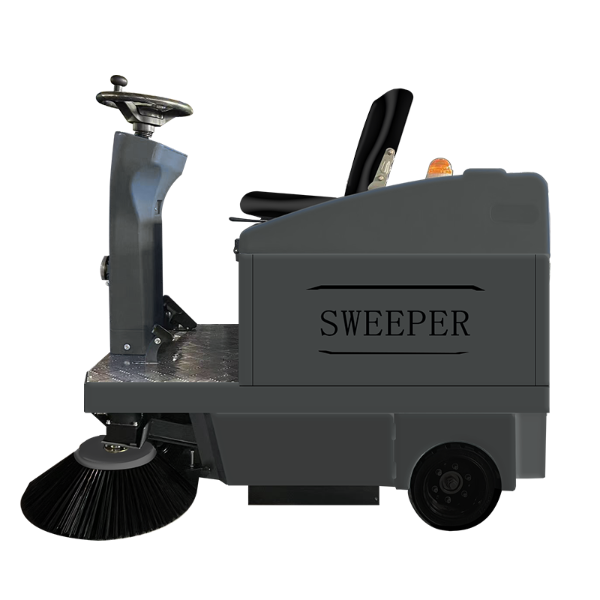
Scrubbers use rotating brushes or pads with liquid cleaning solution to aggressively clean floor surfaces, ideal for removing sticky residues, oils, and ground-in dirt. Sweepers use rotating brushes only to push debris into collection bins, effective for loose dirt and dust. Scrubbers provide deeper cleaning but consume more water and resources, while sweepers excel at quick daily maintenance cleaning. Most facilities benefit from using both in complementary roles.
Q2: How long does a commercial floor scrubber last?
Well-maintained commercial floor scrubbers typically last 7 to 10 years before requiring replacement. Ride-on models often reach the higher end of this range due to their robust construction, while walk-behind models may require replacement after 5 to 7 years of heavy use. Electric machines often outlast fuel-powered equivalents due to fewer moving parts. Maintenance quality significantly impacts lifespan, with properly serviced equipment lasting 2 to 3 years longer than neglected machines.
Q3: Can commercial floor scrubbers handle wet floors?
Commercial floor scrubbers are designed to handle wet cleaning scenarios, in fact generating wet surfaces is part of their normal operation. However, pre-existing standing water prevents effective operation and can damage machines. Always remove standing water using pumps or mops before beginning scrubbing operations. The machine's squeegee system removes water after scrubbing, but cannot manage large water volumes that exceed design specifications.
Q4: What cleaning solution should I use in my commercial floor scrubber?
Use cleaning solutions specifically formulated for your floor type and machine model. General-purpose alkaline cleaners work for most industrial floors, while neutral pH solutions suit delicate surfaces. Acid-based cleaners remove mineral deposits from hard water but damage many floor finishes. Always consult manufacturer recommendations and test solutions on inconspicuous areas before full deployment. Improper solution selection can damage floors and void equipment warranties.
Q5: How many operators do I need for floor scrubber equipment?
One operator can handle ride-on scrubbers and stand-on models independently. Walk-behind scrubbers also work with single operators but may tire workers on extended shifts. For facilities running multiple shifts or requiring 24-hour coverage, robotic scrubbers eliminate the need for dedicated operators during off-hours. Consider operator fatigue, facility size, and cleaning frequency when determining staffing requirements. Cross-training multiple operators provides flexibility and coverage during absences.
Q6: Should I buy a new or refurbished commercial floor scrubber?
New machines come with full warranties and the latest technology but represent maximum financial investment. Refurbished equipment costs 30 to 50 percent less than new machines while retaining most performance characteristics. Refurbished units should include manufacturer certification, remaining warranty coverage, and documented service history. Choose refurbished equipment for secondary facilities or when testing equipment suitability, and purchase new machines as your primary production equipment where warranty protection matters most.
Q7: What safety features should a commercial floor scrubber have?
Look for emergency stop buttons easily accessible to operators, enabling immediate shutdown in unexpected situations. Backup safety features including audible warnings and visual indicators prevent unintended movement. Operator foot plates on ride-on and stand-on models prevent falls during acceleration or deceleration. Modern machines include traction control systems for safe operation on wet floors. Verify that machines meet OSHA safety requirements and carry appropriate certification marks indicating compliance with industrial safety standards.
Q8: Can robotic floor scrubbers work in facilities with obstacles?
Robotic scrubbers work best in open, relatively obstacle-free environments. Dense machinery, clutter, and frequently changing layouts challenge autonomous navigation systems. Some advanced models include sensors enabling limited obstacle avoidance, though traditional robotic systems simply stop when encountering unexpected obstacles. For facilities with significant obstruction, you might deploy robotic scrubbers during off-hours in cleared zones, or choose traditional manned equipment that handles obstacles through operator judgment and real-time navigation decisions.
Q9: What are the environmental benefits of commercial floor scrubbers?
Modern commercial scrubbers reduce water consumption by 50 to 75 percent compared to manual mopping, as they use only necessary solution and recover most water for disposal rather than wasting it. Electric machines eliminate fuel emissions and reduce carbon footprints. Efficient operation reduces labor hours, decreasing overall facility resource consumption. Sustainability-focused operations appreciate biodegradable cleaning solution options that minimize environmental impact while maintaining cleaning effectiveness. Proper wastewater disposal and solution selection make industrial floor cleaning more environmentally responsible.
Q10: How do I calculate return on investment for a commercial floor scrubber?
Start by calculating your current labor cost for floor cleaning, multiplying hourly wages by hours spent cleaning weekly. Project how machine automation will reduce this labor requirement. Subtract equipment costs, maintenance expenses, and solution costs from annual labor savings. Break-even typically occurs within 1 to 3 years for most facilities, with positive returns accumulating thereafter. Facilities with large floor areas and high cleaning frequencies see faster payback than smaller operations. Conservative estimates accounting for equipment downtime and learning curves provide more realistic ROI projections than best-case scenarios.
Making the Right Choice for Your Facility
Selecting the appropriate commercial floor scrubber requires balancing facility requirements, operational constraints, and budget considerations. Walk through the assessment process systematically, considering all factors outlined in this guide rather than rushing to purchase decisions based on price alone.
Your chosen equipment will become central to your facility maintenance operations, directly impacting cleanliness standards, worker safety, and operational costs. Taking time to evaluate options thoroughly ensures you invest in machines that provide value for years to come. Begin by defining your facility's specific needs, then match those requirements to the equipment type most likely to deliver optimal results.
Schedule demonstrations with potential suppliers, allowing your team to operate different machines in your actual facility environment. Request references from similar facilities already using specific equipment models. Request detailed cost breakdowns covering purchase price, maintenance, supplies, and operator training to make accurate financial comparisons. These investment decisions deserve careful consideration because the right choice significantly enhances your facility's operational efficiency and cleaning performance.
